

Flyers have been a marketing tool for as long as the printing press has been around, and with good reason. Not only are they cheaper than hiring the town crier, but they’re proven to be effective at grabbing attention, promoting events, showcasing products, and driving new customers to your business.
As with other print projects such as brochures and posters, you’re faced with a dizzying range of styles and sizes to choose from when designing your flyer. Figuring out the right dimensions might seem overwhelming at first, but most flyers fall into one of a handful of standardized sizes.
By thinking about the intended goal of your marketing campaign, you can arrive at a size and style that works for your business as well as your customers.
Use Cases for Flyers
When it comes to choosing the right flyer dimensions, your main consideration should be how and where you plan on using them. Here are the most common use cases for flyers:
- Handouts: These are perfect for trade shows and street promotions, or for slipping into your product packaging. They’re fast to produce, straightforward to design, and ensure your customers always have the latest information in hand.
- Window or door displays: This larger size of flyer bridges the gap between handouts and posters. They’re eye-catching when placed in windows and high-traffic areas, and typically come in tabloid size for better visibility.
- Mailers: Targeted mail campaigns use flyers in standard envelope sizes, naturally enough. The big advantage of this type of flyer is the ability to customize your messaging for specific neighborhoods, age groups and demographics.
- Tabletop displays: Smaller flyers can be placed on tables at restaurants, cafes, or events. Like mailers, tabletop flyers can be adapted to appeal to different audiences, depending on when and where you’re distributing them.
Standard Flyer Size Dimensions
At Unique Print NY we can work with you to design and print flyers in any dimensions you might need, but it’s helpful to use these standard flyer size dimensions as a template for your next print project.
- 8.5″ x 11″ (or letter size)
- 5.8″ x 8.3″ (or A5)
- 4.1” x 5.8” (or A6)
- 3.9” x 8.3” (or DL)
You’ll want to choose a flyer size that’s right for the job. Handouts and flyers you plan on posting on a wall or displaying in a window are well-suited to letter size – that’s big enough to convert lots of information and is about the largest size of flyer somebody will take on the street.
When mailing flyers out to your customers, you’re naturally limited by the standard size of envelopes. For that use case you’ll want to choose DL (or dimension lengthwise), which is tall and narrow, the size of an A4 sheet folded into thirds.
Best Flyer Material
Flyers tend not to stick around as long as other printed marketing materials like brochures, booklets and posters, and usually end up in the trash as soon as they’ve been read. This is especially true when your flyer has a naturally short expiration date, such as when announcing a flash sale, a new store opening, or sharing your booth location at an expo hall.
For those types of marketing goals you’ll naturally want to choose a cost-effective material for your flyer. This doesn’t have to mean sacrificing on quality however, and for flyers with a longer lifespan – things like price lists, menus and product information – you have a range of more durable papers and finishes to choose from.
- Glossy paper: Glossy paper makes colors pop. This gives your flyer a more vibrant, high-quality look that’s ideal for showcasing photos and graphics.
- Matte paper: This paper type is less shiny and offers a more subtle, professional feel that’s easier on the eyes. It’s great for text-heavy flyers.
- Card stock: Card stock is thicker and provides a more substantial feel. It’s less likely to be thrown away, can survive being posted outdoors, and gives your flyer greater impact.
Flyers vs Brochures
Flyers are typically single-sided sheets designed for quick announcements such as store updates and short promotions. Brochures tend to be folded sheets with multiple panels, usually printed on both sides, which gives you more space to add detailed information.
Your flyer can be anything between these two options, so long as it’s achieving your marketing goals effectively. Flyers are a great way to deliver a short and punchy message to a potential new customer, while brochures are ideal for giving an interested customer all of the follow-up information they might need.
Final Tips on How to Choose the Right Flyer Size
With all of the above in mind, you should be able to land on the perfect flyer size for your next campaign. Here are a few last tips to consider before you start designing your flyer.
- Content: Flyers don’t last long – and most handouts are destined for the next trash can – so you only have a few seconds to catch your reader’s attention. Make the most of your flyer’s size to highlight the most important information, and don’t overload your design with too much text.
- Distribution: How will you be handing out or displaying your flyers? People are less likely to grab a flyer that’s too large, but small flyers can easily get lost on busy bulletin boards and store windows.
- Budget: Larger flyers, non-standard print sizes and higher-quality paper stock can all affect the cost of the print project – at Unique Print NY we offer a range of cost-effective flyer printing options to suit your budget.
- Target audience: Who are you trying to reach, and what will grab their attention? Think about how you might adapt your flyer’s content and design for different demographics, promoting products and services that appeal to your target audience.
Whether you’re flyering for a party in the park or promoting your next store launch, Unique Print NY is your partner for printing in NYC. Our expert team can help at every stage of the process, from design to delivery, working with you to create polished and impactful flyers that are ready to impress.
Magazines still hold our attention in a way digital media can’t match. From the tactile sensation of turning the first page, to the quiet sense of quality that emanates from the weight and texture of the paper – the printed experience can reach customers on a much more personal level.
But what makes magazine paper so special? And how can you achieve the same results for your next print project? Magazine paper is engineered to replicate visuals and text with stunning detail, making it a great choice for showcasing your brand or products to potential new customers. In this article we’ll dive into the differences between magazine paper and regular paper stock, as well as how to create a truly captivating magazine.
Can You Print Magazine Paper on a Regular Printer?
Most standard home or office printers aren’t designed to work with the specialized paper used in magazine printing. High-volume magazines use thinner paper to reduce bulk and save money on shipping costs, while targeted magazines with smaller circulations tend to use thicker, heavier paper stock for a more prestigious feel. In both cases, an even stronger paper stock is often used for the magazine’s cover, which not only looks brilliant but helps to protect the more delicate inside pages.
Regular printer paper is designed for slower, more everyday printing tasks like documents or flyers. It’s thinner and more absorbent, leading to ink bleed and less vibrant visuals. Magazine paper, on the other hand, tends to have several key characteristics:
- Coating: A thin layer of coating – usually a type of clay called kaolinite – creates a smooth, glossy surface that reflects more light, resulting in those vibrant colors and crisp images that define a quality magazine. This glossy finish accounts for up to 25% of the paper’s weight.
- Weight: Premium magazine paper is heavier than regular paper. This increased weight gives the paper a more substantial feel and enhances the overall perception of quality. While small volume magazines tend to use heavier paper, retail magazines with very large circulations – the ones you might see on the newsstand every day – will often use much thinner paper to reduce bulk and keep shipping costs down.
- Opacity: Good quality magazine paper offers greater opacity than regular paper, meaning you won’t see text or images from the opposite page showing through. This keeps visuals accurate and clean, and provides an uninterrupted reading experience.
If you want professional-looking results for your magazine, using the best paper for the job, you should partner with a commercial print shop. At Unique Print NY we use state-of-the-art equipment and fine color calibration to achieve exceptional print quality across the full range of available paper weights, including magazine paper.
What to consider before designing and printing your magazine
Before you think about the size, shape and design of your magazine, first take a moment to consider what it is you want to achieve
- Who are you creating this magazine for? Think about your reader before you start designing your magazine. Understanding their interests and expectations will influence your content, design choices, and ultimately, the paper selection.
- What kind of content will you include? Is your magazine text-heavy, featuring in-depth articles with lots of information? Or is it more image-driven, with a focus on photography or illustrations? Deciding on your content mix will help you choose the most appropriate paper weight and finish.
- What’s your budget? Magazine paper varies in cost depending on weight, finish, and quantity, which means there’s always an option that will suit your budget while still meeting your needs.
Tips for selecting the right paper for your magazine
Once you have a good idea of your content, your reader and your budget, we can start to think about selecting the best paper for your magazine project. Here are a few of the main options to consider when choosing the right magazine paper.
Gloss vs. matte
Glossy paper offers a vibrant, high-shine finish that makes photos and graphics pop. It’s commonly used in magazines with large circulations and is a popular choice for showcasing visual content and creating a luxurious feel.
Matte paper is an increasingly popular option for premium and high-end magazines, and has a smooth, non-reflective finish. It’s easier on the eyes for text-heavy publications and offers a more subtle, sophisticated aesthetic.
Paper weight
Paper weight is largely determined by the thickness of the paper. There are two main ways to measure paper weight. The international standard is gsm (grams per square meter), while in the US and Canada you’ll see paper weights listed as a “basis weight” specified in pounds.
Office paper is commonly available in 20 lb and 24 lb stock, or between 70 gsm and 80 gsm. Thicker paper (above 60 lb) provides a more substantial feel and is ideal for magazines with a focus on high-quality visuals. Even heavier weights are suitable for magazine covers, helping to protect the thinner interior pages of the magazine while looking great.
Paper weight conventions can be confusing at first, but you don’t have to break out the calculator to figure out which paper is right for your print project. By partnering with Unique Print NY, you can rely on our expertise and experience in magazine printing to land on your ideal paper weight.
Best way to bind your magazine
The binding method you choose will influence the overall look, personality and lifespan of your magazine.
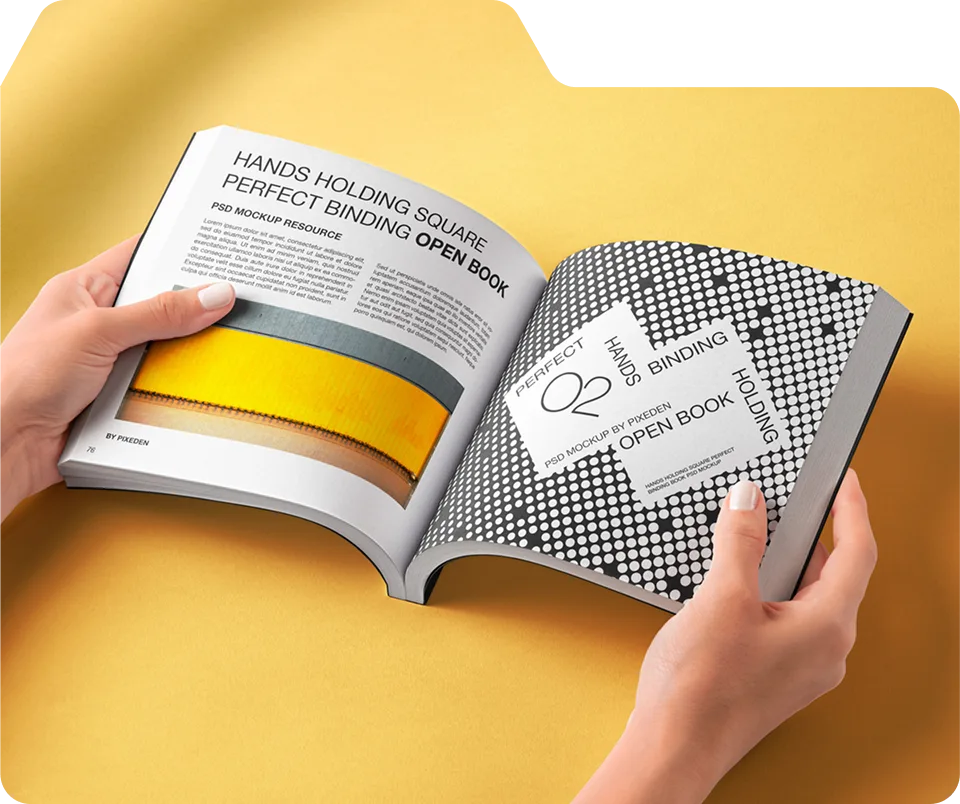
- Perfect binding – This type of binding creates a professional, book-like feel with a glued spine. You’ll see perfect binding used on many of the most popular magazines on the newsstand (think Vogue and National Geographic). It’s ideal for larger magazines with a higher page count.
- Saddle stitch – A cost-effective binding option for slimmer magazines printed at volume, the saddle stitch is ideal for short booklets of between 8 and 64 pages. You’ll recognise this binding technique in comic books. It uses no glue and is fast to turn around.
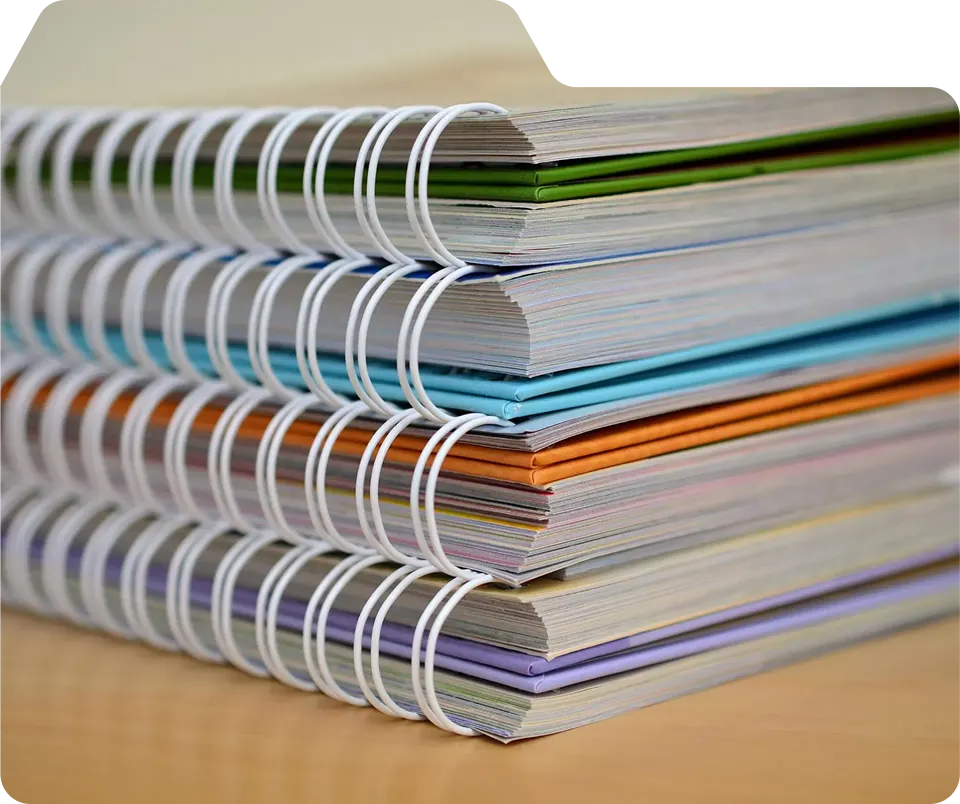
- Spiral binding – This durable style of binding offers flexibility and allows your magazine to lay flat. It’s a good choice for publications printed on heavy card stock that might need to be referenced frequently.
Remember, when you partner with Unique Print NY we can provide expert guidance on paper selection, binding options, and overall magazine production. Our expertise will ensure your final product delivers on your vision to grow your brand and reach new customers.
Trade shows are a great opportunity to connect with potential clients, meet customers, showcase your brand and generate high-quality leads. But it can be challenging to stand out in a hectic expo center when attendees are constantly being bombarded with information and freebies.
So how do you make your booth attract attention and ensure people remember you long after the event? Just give your trade show attendees unique gifts that they’ll actually want.
Why Have Trade Show Giveaway Items?
Trade show giveaways are about more than just handing out branded swag. With the right idea, they’re an effective and strategic marketing tool. Here’s why they matter.
- Brand awareness. A well-chosen giveaway, imprinted with your logo and contact information, keeps your company top-of-mind long after the trade show ends.
- Lead generation. You can offer your trade show gift in exchange for business cards, helping to build your contact list and grow your network.
- Conversation starter. A unique and eye-catching giveaway can spark conversations with booth visitors on the day. Give attendees something they’ll actually want to take back with them and your branded item will continue to draw attention from their colleagues, clients and friends.
Trade Show Giveaway Tips:
Be Mindful of Your Industry
Tailor your giveaways to your target audience. A construction company might offer mini tape measures or multi-tool keyrings, while a tech company could give away portable phone chargers, bluetooth item finders or branded phone stands.
Don’t Forget the Season
Consider the time of year. A reusable water bottle or a pair of shades is perfect for summer shows, while hand warmers and thermos flasks could be a hit at chilly winter events.
Don’t Burden Attendees With Bulky Gifts
How many trade show gifts have you ended up throwing away in your hotel room bin? If you’re attending an international trade show, pack light and versatile giveaways that won’t take up too much space in the attendee’s luggage. When your audience is diverse you should also consider simple items with global appeal, like branded notebooks.
10 Unique Trade Show Giveaway Ideas for 2024
It’s time to ditch the boring tote bags and branded pens – here are some unique giveaway ideas that will leave a lasting impression on trade show attendees.
1. Tide To Go Stain Remover Pens
Stain remover pens are a lifesaver for any wardrobe malfunction, especially at trade shows where visitors might be eating on the go before heading to meetings. They’re compact, practical, easy to brand and universally useful.
2. Keychain Bottle Opener
Bottle openers are a classic trade show gift for a reason, and they’re an especially useful item when refreshments are being served. Choose a unique design to make it stand out, and consider keychain or carabiner clip attachments.
3. Sunglasses
Everyone loses their favorite shades eventually, so come to the rescue with a free pair at your booth. Sunglasses are great for summer trade shows, and can be easily customized to match your brand colors – just be sure to choose sunglasses with UV protection.
4. Stuffed Animals
Stuffed toys and teddy bears are ideal for trade shows geared towards families or promoting a fun, child-friendly brand. They can be customized with your brand logo stitched into the tummy, but be conscious of choosing an appropriate size of stuffed toy for the event – you don’t want to lumber attendees with a giant new friend to carry around.
5. Fidget Toys
These stress-relieving gadgets are more popular than ever, and they’re compact enough to fit into an attendee’s pocket. You can order custom fidget spinners and fidget cubes in any color and with any company branding you want to include.
6. Stress Balls
Stress balls are a timeless desk toy, but be sure to personalize yours. You’ve got more options than ever, with an enormous range of shapes to choose from, and the choice to add custom branding and slogans.
7. Travel Mugs
Eco-friendly and practical, a travel mug with your company logo encourages sustainable coffee habits while promoting your brand. We recommend shorter, glass coffee mugs over the larger thermos flasks, as they’re less bulky and easier to transport.
8. Socks
Everybody loves a fun pair of socks, so don’t be afraid to get quirky with your design choices. Choose a funky pattern that plays on your company branding without looking stuffy or corporate, and try to keep the style gender neutral.
9. Refrigerator Magnets
A budget-friendly option, fridge magnets keep your brand front-and-center on attendees’ fridges at home or back at the office. They’re also lightweight and thin, making them one of the easiest trade show giveaways to package and transport.
10. Lip Balm
Like sunglasses, lip balm is one of those important items that tends to get lost easily. You’ll be somebody’s hero when you hand them a fresh stick, especially during the dry winter months. You can personalize your lip balm with a branded container, or even a custom flavor.
With these ideas and a little creativity, you can choose a trade show giveaway that attendees will genuinely appreciate and remember long after they return home. The right gift will make your booth a must-stop destination at your next trade show, so you can start building meaningful and lasting connections with customers and clients.
Your business sign is one of the most important print projects you can take on. Working around the clock to grab attention, an effective business sign will build brand awareness and ultimately encourage customers into your store. A poor quality sign can have the opposite effect, driving potential customers away before they’ve even stepped foot through the door.
With so many design options and materials to consider, creating the perfect sign for your NYC business can feel like a daunting project, but it doesn’t have to be complicated. This guide will walk you through the process, from brainstorming ideas to finalizing a design that reflects your brand and captivates your audience.
How to Design Your Sign
Determine the Purpose of your Sign
- Are you trying to attract attention from people walking or driving by – or is your business likely to already be the customer’s destination?
- Do you want to provide information like your business’s logo, street address, contact details and hours?
- Will your business sign be used for wayfinding, guiding customers towards things like parking and entrances?
Understanding your sign’s primary function will help guide your design choices.
Select Design Elements
Color
As a starting point, most businesses will use their existing brand identity as a base color for a business sign, but that doesn’t always have to be the case. Consider the coloring of neighboring signage to avoid getting lost in the noise, and keep legibility high by using a limited palette of bright, contrasting and complementary hues.
Typography
Choose a clear and easy-to-read font that complements your logo and brand aesthetic. Like with colors, you shouldn’t feel bound by your existing logo font when designing a business sign. Blocky, sans-serif fonts are generally more readable from a distance, as are lighter-colored fonts set against darker backgrounds.
Graphics & images
High-quality visuals can significantly enhance your sign’s impact, but keep in mind that they can easily overwhelm the design if too many contrasting images are used. Consider limiting yourself to using your logo, product photos or location-specific imagery.
Material
The material you choose will mostly be determined by the business sign’s location. Outdoor signage should be durable enough to withstand harsh weather and sun-bleaching without fading or being damaged, while business signs next to busy streets should be easy to clean regularly. Common options include aluminum, vinyl, acrylic, and wood.
Texture
Consider the visual and tactile impact of different textures. A glossy finish can create a modern feel, while a rustic wood grain adds warmth.
Size & scale
A giant sign might overwhelm a small storefront, while a tiny sign might get lost in a busy street. Your sign should be large enough to be easily read from the spot where your customers are standing. Remember that NYC zoning regulations set the maximum permitted sizes for large street frontage and other business signs, which can vary depending on where you are.
Draft, Gather Feedback, Finalize
Once you’ve decided on the basic elements, it’s time to sketch out some initial ideas or use free online design tools to create a digital draft.
Partner with Unique Print NY and we can help out at every stage of the process, guiding your print project from concept to completion. We can work with you to refine your business sign’s colors, materials, size and layout. Once you’re happy, we can finalize the design, ready for printing, before placing your order.
What Impacts Business Signage Cost?
At Unique Print NY we deliver cost-effective, high-quality business signage with fast turnarounds and guaranteed results. Speak with our friendly team of experts today to get a quote on your next print project.
Every project is different, and the cost of your business sign depends on several factors.
- Size: Larger signs naturally cost more due to material and printing requirements.
- Material: Premium materials like acrylic or illuminated signs will be more expensive than standard vinyl banners.
- Complexity: Signs with intricate designs, multiple colors, or custom fabrication will cost more than simple designs.
- Installation: If professional installation is required, you’ll need to factor in the labor cost.
When to Work with a Full Service Printing Company for Your Business Signage?
When it comes to designing an effective and memorable sign for your business, teaming up with Unique Print NY early on in the process offers some serious advantages.
- Expertise: Our experienced team has seen it all. We can guide you through everything from the design process to material selection, saving you time and hassle.
- High-quality printing & fabrication: We use advanced printing techniques and state-of-the-art equipment to produce durable signs with vibrant colors and sharp details.
- Large format printing: Do you need a truly impactful sign? We can handle large-scale projects to maximize your visibility at any distance.
- Custom fabrication: Do you have a unique design concept in mind? If you can imagine it, we can probably make it. At Unique Print NY we create a wide range of custom signs for NYC businesses using diverse materials and fabrication techniques.
Work with Unique Print NY on your next print project. We’ll provide you with an effective business sign that not only represents your brand’s values and vibe, but attracts new customers and looks great while doing it
There’s a lot to consider when designing a poster for your NYC business, from visual hierarchy to coloring, graphics, copy and more – but before you get started, you’ll need to decide on the perfect poster size for your needs.
One of the most popular ways to advertise your brand and convey a message to potential customers, posters can be vibrant, attention grabbing, informative and instructive. Whether you’re advertising an upcoming event, showcasing a new product, or simply adding a touch of personality to your space, choosing the right size and format is crucial.
In this guide we’ll take a look at the most common poster sizes available to choose from, from small tabloid notices all the way up to large and impactful movie posters. At Unique Print NY we can accommodate every standard poster size out there, as well as any custom shapes, dimensions and finishes your business requires to make your message really stand out. Check out some of the digital print works we’ve done for our customers.
What are the Most Common Poster Sizes?
The world of poster printing offers a variety of dimensions, but a few stand out as widely popular.
- 11″ x 17″ (Small, or tabloid) – This compact size is ideal for smaller announcements, notices, or window displays.
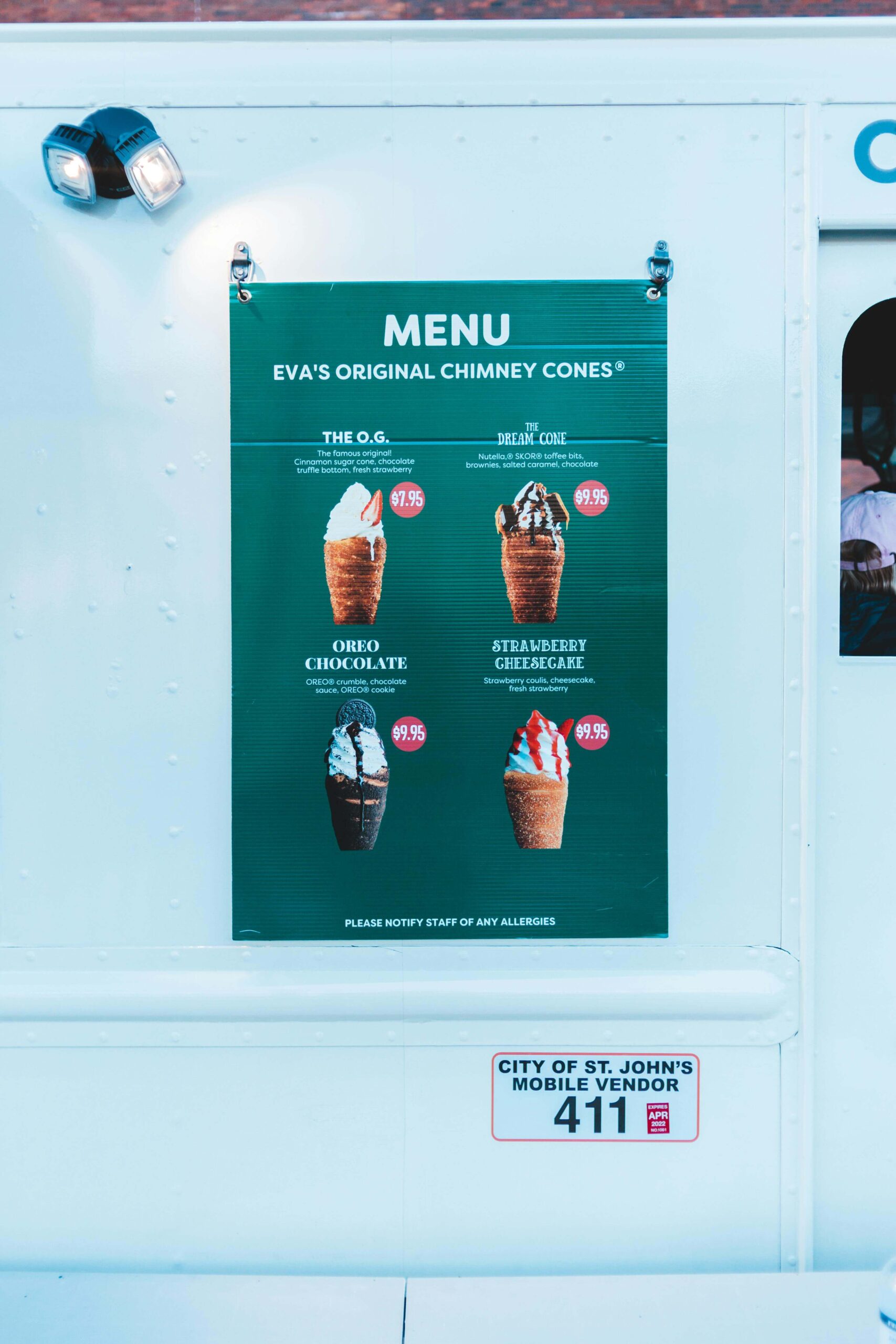
- 18″ x 24″ (Medium) – A versatile choice, this size works well for informational posters, event promotions, menus, or showcasing artwork in medium spaces.
- 24″ x 36″ (Large, or standard) – The most common poster size packs a visual punch and is suitable for eye-catching presentations, trade show displays, or grabbing attention in high-traffic areas.
- 27″ x 40″ (Extra large, or movie poster) – As the name suggests, this size is commonly used for movie posters but can also be effective for showcasing large images to passers by or for presenting a lot of detailed information.
What is a Common Ratio for Poster Dimensions?
Many common poster sizes follow a specific aspect ratio, which refers to the proportional relationship between the width and the height of the poster. An aspect ratio of 1:1 describes a perfectly square poster, for example.
There are two widely used ratios in poster printing, though at Unique Print NY we make it possible to print in unusual or bespoke dimensions when the situation calls for it.
- 2:3 – This aspect ratio creates a rectangular shape often used for poster and canvas printing, appearing in poster sizes like 18″ x 24″ and 24″ x 36″
- 3:4 – This ratio is commonly found in photography and is slightly closer to a square shape, appearing in common poster sizes like 27″ x 40″
Understanding the most common aspect ratios helps ensure your chosen size complements the content you want to display. Better still, knowing which aspect ratio you want allows you to start designing your poster before you’ve decided on a size.
Example Poster Sizes
Now that we’ve covered some of the most common poster sizes and aspect ratios, let’s take a look at some specific use cases for each size. This should help you decide on the poster size that’s best suited to your message.

Movie poster: As we mentioned earlier, 27″ x 40″ is the standard size for movie posters. This size allows for impactful visuals and the clear presentation of titles, credits, and other important information you might be obliged to include.
Concert poster: Eye-catching visuals are key for concert posters. Sizes like 18″ x 24″ or 24″ x 36″ are popular choices, offering enough space for band names, dates, and venue details while remaining visually appealing.
Subway posters: No prizes for guessing where this common size of poster can be spotted. Typically measuring either 40” x 60” or 46” x 67”, subway posters are usually commercial and used to advertise new products and businesses.
These are just a few examples. When deciding on a poster size you should consider the specific information you want to convey, but also your intended viewer. How far from the poster will they be standing? And will they be passing by or hanging around?
When to Work with a Print Shop for Poster Projects
Partnering with Unique Print NY early on in your poster project offers several advantages:
High-quality printing: We utilize advanced printing techniques that ensure vibrant colors, sharp details, and durable materials for long-lasting posters.
Variety of paper stocks: At Unique Print NY you can choose from different paper types like glossy, matte, or even weatherproof options to best suit your poster’s purpose and environment.
Large format printing: Need a truly attention-grabbing poster? Unique Print NY has a range of large format printing options, allowing you to create truly impressive displays.
Design and finishing touches: We can guide you from design to delivery, offering advice on graphics and copy to help you create a visually compelling poster. We can provide finishing touches to enhance the overall look and protect your poster.
At Unique Print NY we understand the challenge of standing out in the visually hectic backdrop of the city. Partner with us on your poster project and we’ll help you decide on the perfect poster size and aspect ratio, so that your next campaign drives real results.
Bored of boring brochures? Why not level up your next brochure with a fresh and impactful design that reflects the quality and dynamism of your NYC business?
One of the best ways to showcase products and services in an engaging way, brochures are ideal for handing out at trade shows, as a handy complement to a presentation, or simply for displaying in-store for potential customers to pick up.
Whether you’re a seasoned designer or a complete beginner, creating an effective multi-page brochure is easier than you might think. Here’s a step-by-step guide to help you get started.
Step 1 – Identify Your Brochure’s Purpose & Audience
Before you start designing your next brochure, you should figure out exactly who your audience is and what they care most about.
- Who are you trying to reach with your brochure?
- What information do your customers need from you, and what do you want them to do with that information?
For example, a brochure promoting a new restaurant launch should focus on high-quality food photography printed on premium paper stock, whereas a brochure focused on technical information should be data-rich while still being easy for customers to navigate.
An effective brochure designed with a specific customer in mind will help drive sales, increase in-store foot traffic or strengthen the relationship between the customer and your brand.
Step 2 – Write Your Brochure Copy
Keep your copy concise, clear, and engaging. Use bold headlines and subheads to highlight key information about your business, such as your values, your mission, and what makes you stand out from the competition.
Customers have short attention spans, so avoid overloading them with too much text on any one page. Don’t feel like you need to fill the space either, give your copy room to breathe. Limit your paragraphs to just a handful of sentences to make them easier to scan. And as a rule of thumb, assume that many people won’t read more than a few lines before turning the page.
Your copy should focus on the benefits your product or service offers, before driving results with a clear call to action (CTA), an invitation to find out more, and business contact information that’s impossible to miss.
Step 3 – Use Visuals & Design
It can be tempting to trust that your copy is engaging enough on its own, but don’t overlook the impact that high-quality visuals can have when designing a brochure. The right image can stop a customer in their tracks, grabbing their attention and pulling them into the page. Low-quality visuals and poor print quality can have the opposite effect, pushing the reader away from the information you want them to see.
Your company logo is the most important visual design element to include, so make sure it’s cleanly formatted and available in a high-resolution that’s suitable for printing. Consider using a professional photographer to highlight your products in the best possible light. If you’re working with a limited budget, remember that the phone in your pocket can produce print-worthy digital pictures too.
Step 4 – Determine Binding and Folding for Your Brochure
There are a wide range of binding options when it comes to completing a brochure design, and Unique Print NY can help you decide which one is best suited to yours.
For example, saddle stitch binding is ideal for shorter, more visually led brochures and brochures with full-bleed images set across double page spreads. Perfect bound brochures feature a durable glued spine that’s suitable for larger page counts, while wire and spiral binding are especially hard wearing and great for technical brochures – like financial results and interim reports – that are intended to be flipped through and referenced often.
For smaller brochures and pamphlets, a fold is the best choice. Your options include a traditional tri-fold brochure – also known as a letter fold – which is a single sheet folded in two places to create three rectangular sections. A bi-fold brochure is a single sheet folded in half, allowing extra room for larger and more impactful images.
Step 5 – Print Your Brochure
Once you’ve finalized your copy and visuals and figured out which binding is right for your size and style of brochure, it’s time to partner with a print shop for professional-looking results. At Unique Print NY we offer high-quality paper stock, advanced printing techniques, and various binding and finishing options to suit every budget and business.
Tips for Making a Brochure on Google Docs and Slides
For best results your final brochure draft should be completed in professional publishing software, ready for printing, but free tools like Google Docs and Slides are a handy way to create a basic first draft of your brochure.
There are plenty of pre-designed templates to play around with, allowing you to arrange images and text boxes and experiment with layouts before partnering with Unique Print NY on the final stages of the brochure printing process.
Brochure Printing Use Cases
- For a product launch: Showcase a new product’s features, benefits, and specifications to clients and customers with high-quality photos and clear descriptions.
- For a company rebrand: Highlight your business’s new logo and branding, your services, company culture, mission and team expertise. Include testimonials, staff bios, case studies, and contact information.
- For financial results and internal updates: Present findings, quarterly reports and projections in a visually engaging, easy-to-understand format.
When to Work with a Print Shop for Your Brochure
If you’re a New York business in need of high-quality printing, professional finishing options, or a large quantity of brochures turned around at short notice, partnering with Unique Print NY is your best bet. From design to delivery, we offer expert advice on paper selection, layout, and finishing to ensure your brochure makes a lasting impression.